
Manual replies
Clients write to you in Telegram and someone answers by hand
The bot takes the routine questions and passes anything unusual to a person with the context attached.
A bot is useful when it removes a repeated step without making the conversation harder. We begin with the real exchange between client and team, then choose where chat is enough and where a mini app needs to take over.
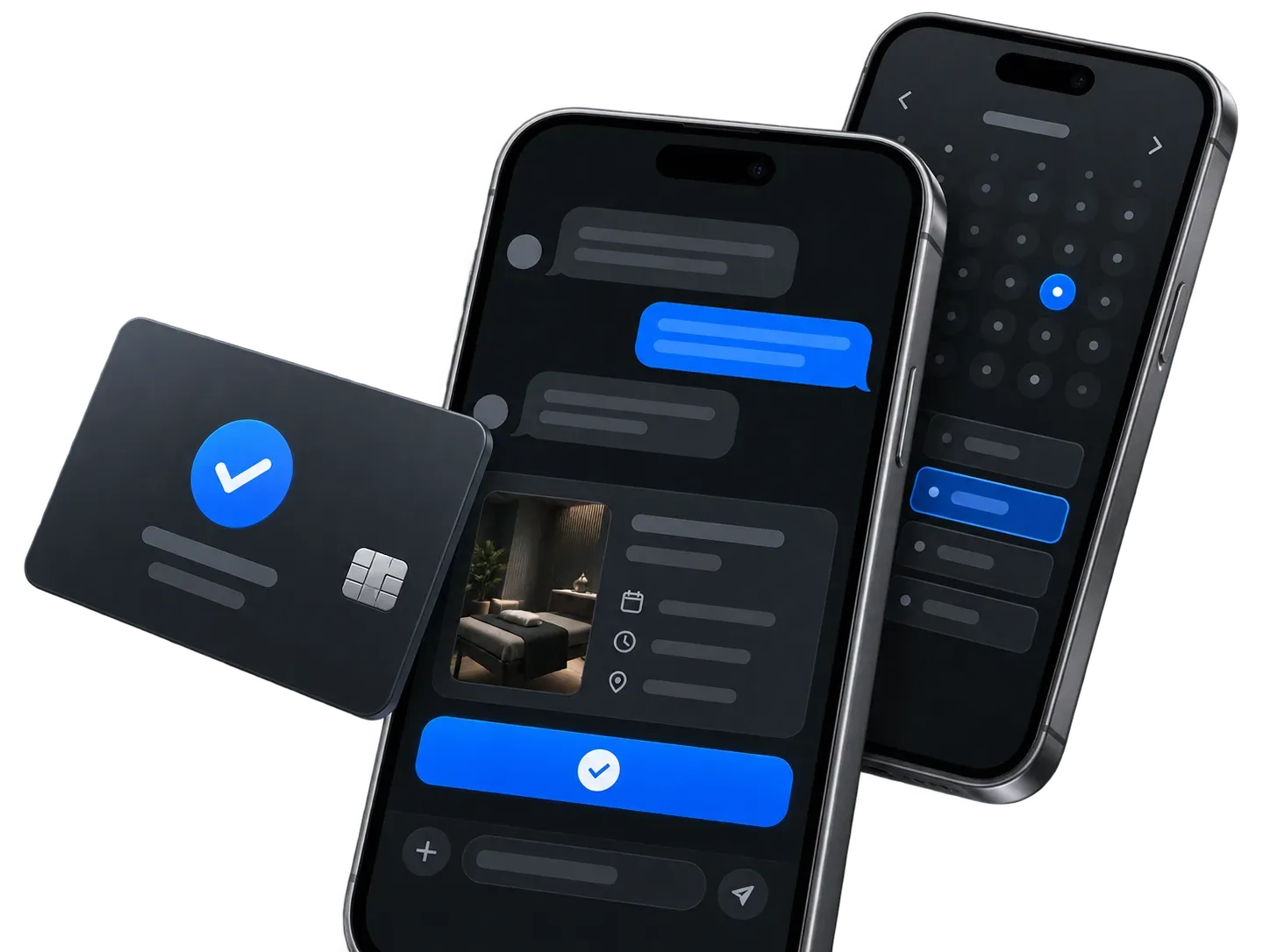
The bot takes the routine questions and passes anything unusual to a person with the context attached.
One schedule sits behind the bot, so the client, the manager and the calendar see the same slot.
A mini app opens inside the messenger the team already uses, with access set per role.
Answering the same questions in chat every day? Show us the conversation.
Start a projectClients pick a slot in the chat and get a reminder before the visit.
Through the provider you already use, with the failure paths tested too.
A real interface inside Telegram for catalogues, forms and longer flows.
Services, hours and free slots change without editing the bot.
The CRM, calendars and tables you already run stay the source of truth.
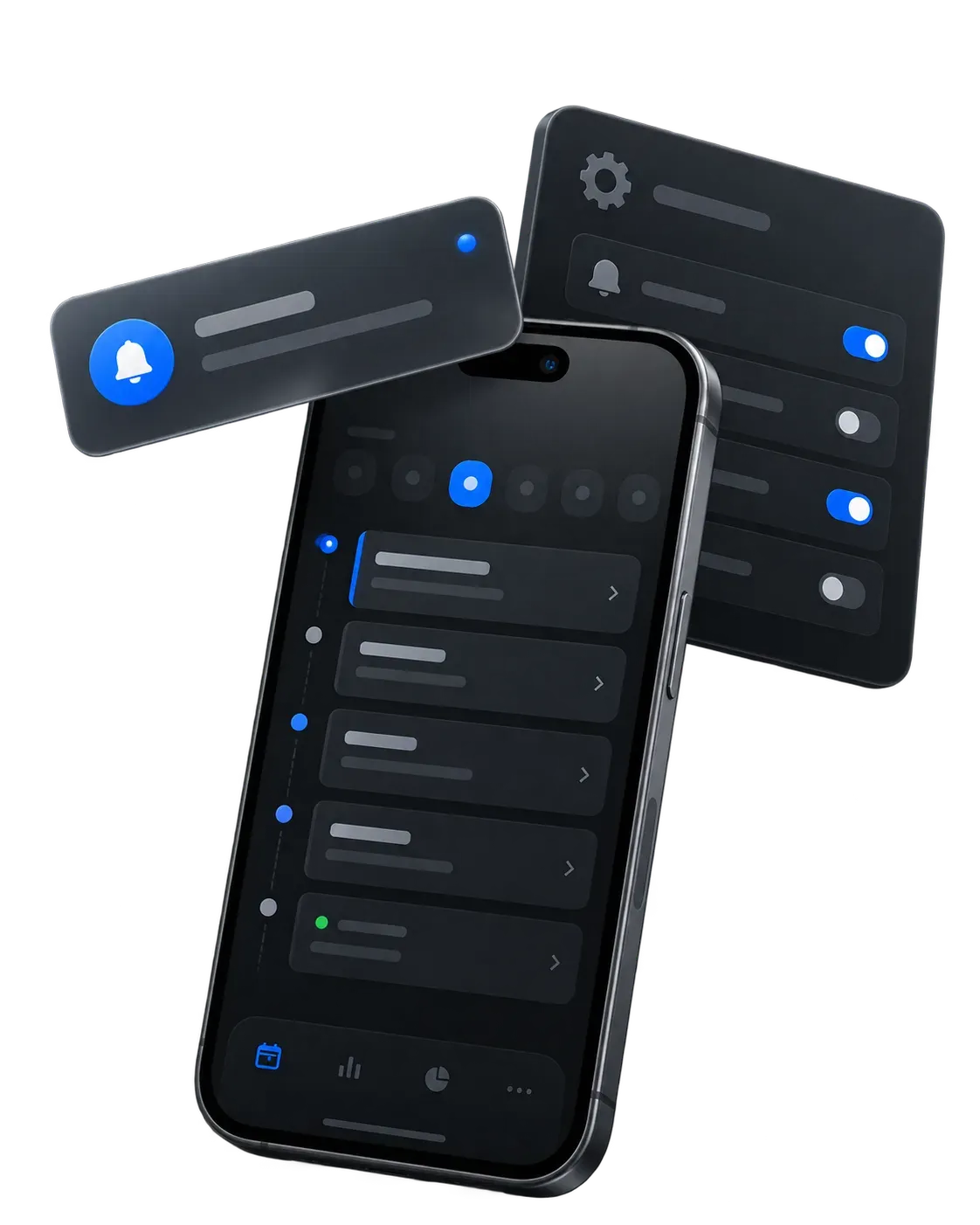
We follow the repeated conversation from the first message to the completed task and mark every decision and exception.
We define what the client sees, what the manager controls and how the bot returns the conversation to a person.
We connect the bot, admin view, payments and existing systems, then test the flow with realistic messages and edge cases.
We move the bot account, infrastructure and monitoring to your control, with instructions for routine changes and incidents.
Running on infrastructure you control, with the code in your repository.
Routine changes and incidents described as plain steps.
Which steps people finish, where they drop off and what they ask for.
Yes, through the provider you already use. We connect it and test the failure paths, not only the happy one.
Monitoring tells us before your clients do, and the fallback is a normal chat with a human.
Two or three sentences are enough. We will reply with the questions needed to define a useful next step.